All Categories
Featured
Table of Contents
- – Precision Management of Outdoor Spaces in 2026
- – Scaling Efficiency Across Multi-Site Portfolios
- – Resource Management and Environmental Standards
- – Protecting Infrastructure Through Proactive Care
- – Reserve Studies and Long-Term Capital Planning
- – The Role of Technology in Vendor Oversight
- – Safety and Liability in Common Areas
Precision Management of Outdoor Spaces in 2026
Asset managers in 2026 operate in an environment where visual standards and fiscal responsibility are inseparable. For Homeowners Associations (HOAs) across regions like the western United States, the physical condition of common areas dictates the perceived value of every individual property within the development. Maintaining these standards requires more than basic mowing or occasional planting. It demands a systematic approach to exterior upkeep that treats greenery as a depreciating asset requiring proactive maintenance.
Property values in high-demand markets like Los Angeles often fluctuate based on the immediate aesthetic quality of shared grounds. When a prospective buyer enters a community, the health of the turf, the pruning of the trees, and the cleanliness of the hardscapes form an immediate impression. If these elements appear neglected, the appraisal of the entire neighborhood can suffer. Modern asset managers use data-driven schedules to ensure that Commercial Parking Lot Island Maintenance happens on a timeline that prevents decay before it becomes visible to the naked eye.
Scaling Efficiency Across Multi-Site Portfolios
Managing a single HOA is a localized task, but overseeing a portfolio that spans from Anaheim to Santa Monica requires a different operational logic. Multi-site efficiency in 2026 relies on standardized service level agreements. By implementing uniform expectations for every property, asset managers can compare performance and costs with greater accuracy. This standardization ensures that a community in Long Beach receives the same quality of care as a premium development in Irvine.
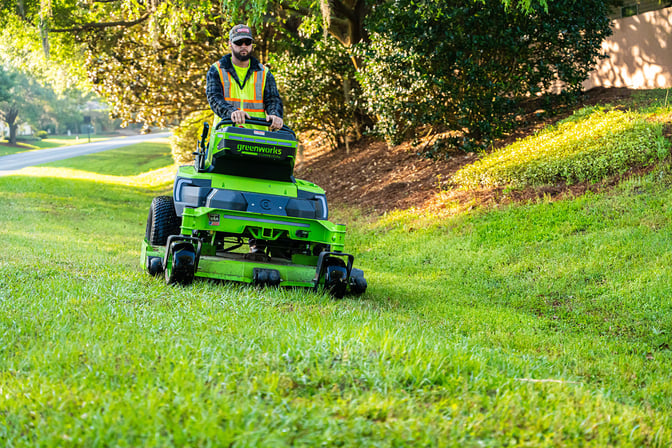
The complexity of these operations often leads management firms to seek specialized expertise. Specialization in Pacific Green Landscape Maintenance Islands provides clarity for HOA boards that need to justify their annual dues. When every site follows a synchronized plan, procurement of materials like mulch, fertilizer, and replacement plants becomes more cost-effective. Bulk purchasing and coordinated labor deployments allow managers to maintain high standards without ballooning the operational budget.
Resource Management and Environmental Standards
Water conservation remains a top priority for HOAs in 2026, particularly in arid climates where municipal regulations are strict. Smart irrigation systems now use local weather data and soil moisture sensors to prevent over-watering. These systems are no longer luxury additions. They are standard requirements for any association looking to keep costs under control. Asset managers must monitor these systems to ensure they function as intended, as a single broken pipe or misaligned sprinkler head can lead to thousands of dollars in wasted water and potential fines.
Botanical choices also reflect this shift toward efficiency. Many communities are replacing high-maintenance grass with drought-tolerant species that provide year-round color with minimal intervention. This transition helps stabilize the association's budget by reducing the need for constant mowing and heavy fertilization. Adopting Pacific Green Landscape Maintenance Parking Lot Island Maintenance helps streamline oversight while meeting the sustainability expectations of modern homeowners. Managers who prioritize these changes often see a reduction in long-term labor costs and a decrease in the frequency of emergency repairs.
Protecting Infrastructure Through Proactive Care
Grounds care extends beyond the health of plants. It involves the protection of the community's physical infrastructure. Tree roots, if left unmanaged, can lift sidewalks and damage underground utility lines. Overgrown shrubs can trap moisture against building envelopes, leading to mold or stucco damage. In 2026, professional operations focus on the intersection of biology and engineering. Regular inspections identify these risks early, allowing for corrective pruning or root barrier installation.
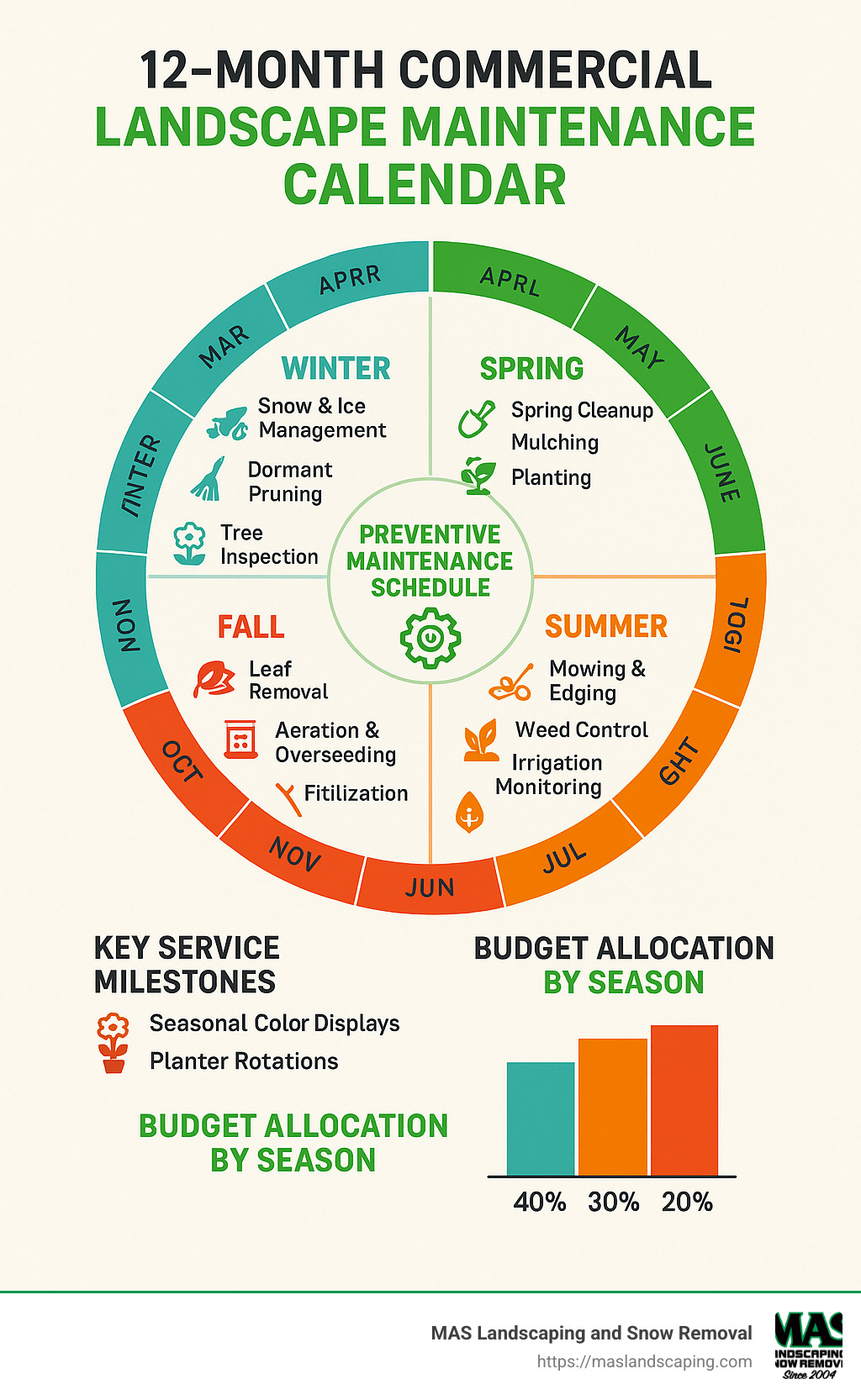
Hardscape maintenance is equally important for maintaining property values. Driveways, walkways, and pool decks require regular cleaning and sealing to prevent cracks and staining. In communities with high foot traffic, the wear and tear on these surfaces can be significant. By including hardscape care in the regular maintenance rotation, asset managers avoid the high cost of total replacement. High demand for Pacific Green Landscape Maintenance for Retail Centers suggests a shift in priorities toward total exterior management rather than simple gardening.
Reserve Studies and Long-Term Capital Planning
Every HOA must maintain a reserve fund for major projects, and grounds care is a significant component of these long-term plans. A well-executed reserve study in 2026 accounts for the lifecycle of every major outdoor asset, from the age of the irrigation controllers to the expected lifespan of the perimeter fencing. Asset managers use these studies to predict when large-scale replanting or pavement resurfacing will be necessary.
This foresight prevents the need for special assessments, which are often unpopular with homeowners and can negatively impact property sales. When the budget accounts for the eventual replacement of aging trees or the renovation of a community park, the transition is seamless. Consistency in funding leads to consistency in appearance. A neighborhood that looks as good in its twentieth year as it did in its first year is a direct result of disciplined financial planning and steady execution of maintenance tasks.
The Role of Technology in Vendor Oversight
Asset managers in 2026 use digital tools to verify that contracted work is completed to the required standard. GPS tracking on equipment and time-stamped photo documentation from field crews provide a transparent record of activity. This level of oversight is necessary when managing multiple sites across a wide geographic area. It removes the guesswork from vendor management and ensures that the association is getting the service it pays for.
Communication between the manager and the HOA board is also improved by these tools. Instead of relying on anecdotal reports, managers can provide boards with detailed reports showing the health of the grounds and the progress of seasonal projects. This transparency builds trust and makes it easier to gain approval for necessary improvements. When the board can see the direct link between their investment and the physical condition of the property, they are more likely to support the professional recommendations of the asset manager.
Safety and Liability in Common Areas
Safety is a silent but critical part of grounds maintenance. Poorly lit walkways, uneven pavement, or dead tree branches pose significant liability risks to an HOA. Regular safety audits are a standard part of professional operations in 2026. These audits look for potential hazards that could lead to injury or property damage. Addressing these issues immediately is much cheaper than dealing with a legal claim or an insurance premium hike.
Properly maintained grounds also contribute to the security of a community. Pruning shrubs away from windows and ensuring that common area lighting is not blocked by foliage creates a safer environment for residents. These small details, when managed across an entire portfolio, create a culture of care that residents appreciate. Asset managers who focus on these details demonstrate a commitment to the well-being of the community that goes beyond simple aesthetics. Maintenance is the most effective way to protect the long-term viability of the association.

Table of Contents
- – Precision Management of Outdoor Spaces in 2026
- – Scaling Efficiency Across Multi-Site Portfolios
- – Resource Management and Environmental Standards
- – Protecting Infrastructure Through Proactive Care
- – Reserve Studies and Long-Term Capital Planning
- – The Role of Technology in Vendor Oversight
- – Safety and Liability in Common Areas
Latest Posts
Modernizing HOA Maintenance to Meet 2026 Standards
How Sensitive Property Care Benefits Religious Communities
Balancing Aesthetics and Safety in Industrial Environments
Latest Posts
Modernizing HOA Maintenance to Meet 2026 Standards
How Sensitive Property Care Benefits Religious Communities
Balancing Aesthetics and Safety in Industrial Environments