All Categories
Featured


Actionable Steps to Modernizing Commercial Operations
Effective upkeep management is not merely about repairing what breaks. It is a continuous functional discipline that straight determines property worth retention, renter fulfillment, insurance coverage threat exposure, and the efficiency of labor and products costs. In 2026, the scope of residential or commercial property upkeep management has broadened to consist of information management, sustainability compliance, energy performance benchmarking, and combination with more comprehensive genuine estate innovation communities.
HOA Landscape MaintenanceHigh-performing upkeep operations in 2026 are developed on 4 synergistic pillars that together create a resilient, cost-efficient, and data-driven maintenance ecosystem. Understanding each pillar and how they enhance one another is important before evaluating tools or reorganizing workflows. 01 Preventive Maintenance Scheduled, condition-based interventions that address wear and degeneration before failure takes place.
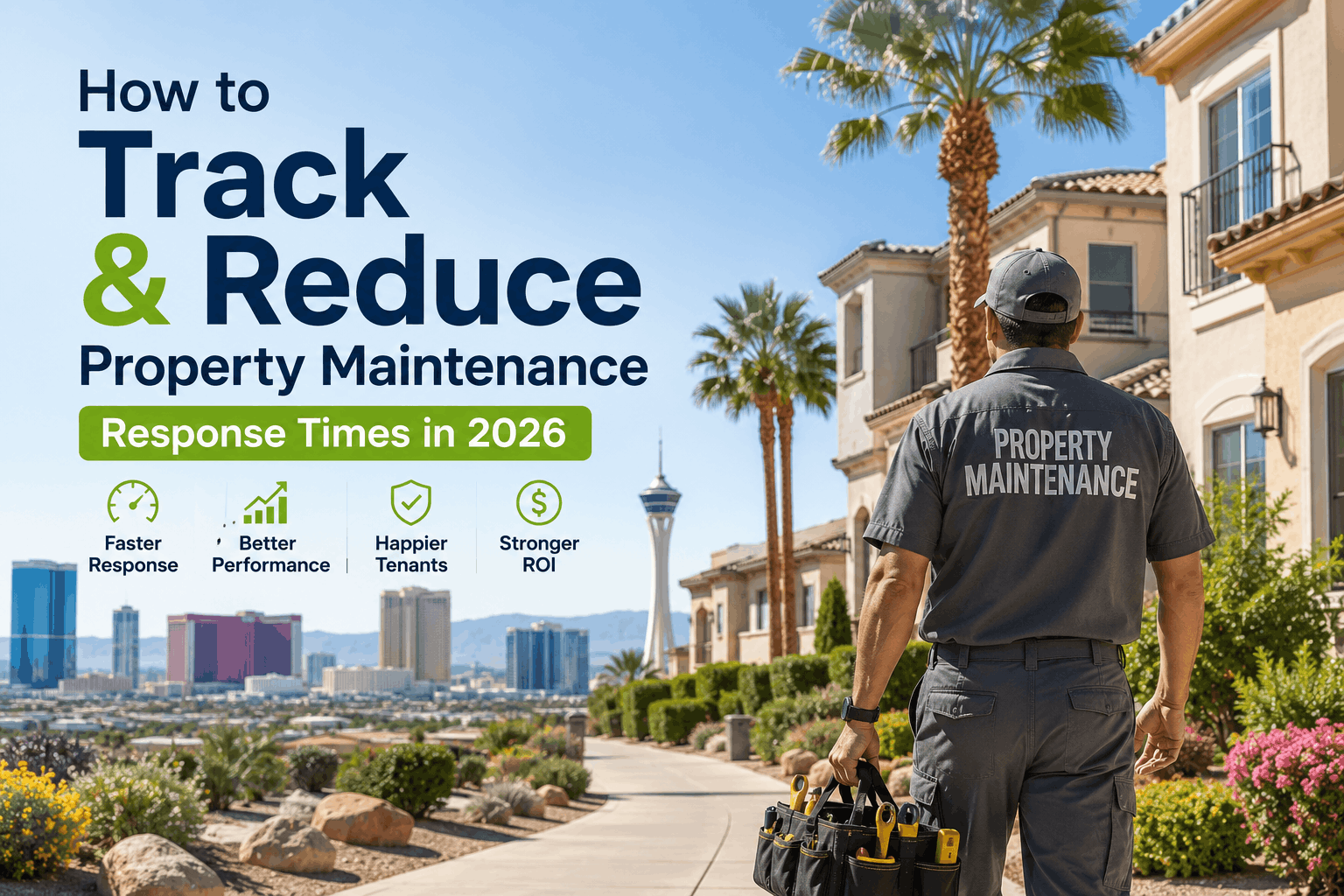
02 Work Order Management The functional foundation of upkeep execution recording, assigning, focusing on, tracking, and closing maintenance jobs with full audit routes. Digital work order systems change fragmented phone and email workflows and provide the information required for continuous improvement. See how OxMaint handles work orders end-to-end. 03 Possession Lifecycle Management Strategic tracking of every substantial building component from setup through end-of-life, enabling capital investment forecasting, replacement planning, and informed decisions about repair work versus change limits that protect long-lasting residential or commercial property worth.
The maintenance method a home group adopts fundamentally determines its cost structure, danger profile, and operational capacity. Most portfolios run across a spectrum of these techniques rather than committing completely to one, however comprehending each design's compromises is necessary to making intentional strategic options. Technique Description Best For Expense Effect Threat Level Maintenance carried out only after devices fails or defects are reported Non-critical properties with low replacement expense and no security ramifications High emergency situation repair work premium; unpredictable labor spikes High occupant interruption, compliance direct exposure Scheduled upkeep at repaired intervals no matter possession condition Life safety systems, HEATING AND COOLING, elevators, important facilities Predictable and budgetable; minimizes emergency situation expenses by 2530% Low methodical compliance and failure prevention Upkeep triggered by real-time possession condition information or assessment findings High-value mechanical systems with monitoring ability Optimum resource implementation; removes unneeded upkeep cycles Extremely Low data-driven intervention timing Machine learning models forecast failure likelihood, triggering proactive upkeep before failure takes place Enterprise portfolios with IoT-enabled properties and CMMS integration Highest in advance investment; least expensive total maintenance cost at scale Very little failure prevented before beginning Industry criteria show that the optimum maintenance strategy mix for a lot of business portfolios in 2026 is roughly 70 percent preventive, 20 percent condition-based, and no more than 10 percent reactive with predictive capabilities layered in progressively as IoT facilities and data maturity allow.
The CMMS and residential or commercial property maintenance software application market has consolidated considerably over the past 3 years, with business platforms significantly using end-to-end performance that previously required multiple point options. Selecting the ideal platform needs examining capabilities against the particular intricacy, scale, and operational maturity of your portfolio.
Sustainable Landscape Goals in 2026
Asset Register and Lifecycle Tracking Centralized property database capturing setup dates, service warranty status, upkeep history, cost-to-date, and forecasted replacement timelines the foundation of reputable capital preparation and replacement budgeting. Mobile Specialist Tools Field-first mobile applications that permit specialists to receive projects, access equipment handbooks and maintenance treatments, log labor and parts, capture photos, and close work orders from the field without returning to a desk.
Reporting and KPI Dashboards Real-time operational dashboards tracking MTTR, PM compliance rates, work order backlog age, expense per square foot, and supplier efficiency making it possible for data-driven choices instead of quotes and approximations. Occupant and Occupant Interaction Integrated service demand portals, automated status alerts, and resolution verifications that change upkeep from a source of tenant friction into a quantifiable factor to resident complete satisfaction and lease renewal rates.
Below are the metrics that property upkeep professionals and FM executives track most regularly. You can explore OxMaint's live control panels to see how these KPIs are tracked in real time across a portfolio. < 4 hrs Mean Time to Respond (MTTR) Target for high-priority work orders in industrial office and multifamily properties.
95%+ PM Compliance Rate Portion of arranged preventive maintenance jobs completed on time. $2$4 Maintenance Cost per Sq.
Outliers in either instructions warrant investigation into staffing ratios or postponed maintenance.

Latest Posts

Strategic Budgeting for Retail Center And Shopping Center Landscape Maintenance in 2026

Resource-Efficient CAM Trends for HOAs

Adapting Traditional Landscape Schedules